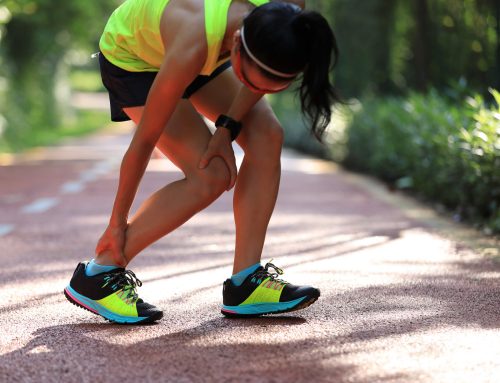
Patellofemoral Pain Syndrome (PFPS), often called “runner’s knee” – is a prevalent knee condition, especially among athletes and active individuals. PFPS refers to pain at the front of the knee, around or behind the patella (kneecap), caused by issues related to the patellofemoral joint. Although commonly associated with runners, anyone who puts repetitive stress on the knees, including walkers, cyclists, and even non-athletes, can develop PFPS.
In this blog, we will explore the causes and symptoms of PFPS, how it is assessed, and available treatment options for those affected.
The Symptoms
- Pain Around the Kneecap: Pain often occurs around or behind the kneecap, especially during activities that place stress on the knee joint, such as squatting, running, or climbing stairs.
- Pain with Prolonged Sitting: Sitting for long periods with knees bent can exacerbate the pain as the patella is pressed into the femur.
- Crepitus or Cracking Sounds: Some people notice grinding or popping sounds in the knee when moving, which can indicate underlying tracking issues between the patella and the femur.
- Swelling or Stiffness: Swelling is less common but can sometimes accompany PFPS, particularly if inflammation is present.
- Pain During Downhill Movements: Activities that increase the force through the knee joint, such as descending stairs or walking downhill, often intensify the pain.

The Causes
PFPS arises due to various factors, often involving a combination of biomechanical and structural issues, including:
-
Muscle Imbalance or Weakness: Weakness in the muscles around the knee, especially the quadriceps, can result in improper patellar tracking and increased pressure on the knee joint. Tightness or imbalance in the hip and thigh muscles can also affect knee alignment.
-
Abnormal Patellar Tracking: The patella may not track properly along the groove of the femur, leading to uneven stress on the joint. This misalignment can occur due to structural abnormalities or muscle imbalances.
-
Overuse or Repetitive Stress: Activities that involve repetitive knee movements, like running, jumping, squatting, or cycling, can put excessive strain on the knee, leading to inflammation or irritation of the patella.
-
Improper Foot Mechanics: Flat feet, overpronation (where the foot rolls inward), or other abnormal foot mechanics can affect the alignment and movement of the knee joint, leading to PFPS.
-
Poor Biomechanics or Alignment: If the leg alignment is not optimal, such as having a misaligned or “knock-kneed” stance (where the knees angle inward), the patella may not move smoothly within its groove during activity.
-
Injury or Trauma: Direct injuries to the knee, such as falls, blows to the patella, or twisting motions, can damage the structures around the knee and contribute to PFPS.
-
Age and Gender: PFPS is more common in adolescents and young adults, particularly those who engage in sports. Women are also more likely to experience PFPS due to anatomical differences, such as wider pelvises that affect the alignment of the knees.
-
Improper Training or Equipment: Overtraining, sudden increases in activity intensity or volume, and using improper footwear or ill-fitting shoes can all increase the risk of developing PFPS.
-
Genetic Factors: Some individuals may have a genetic predisposition that affects the structure of their knees or the way their muscles and joints function, increasing the likelihood of PFPS.
Treatment Options
The treatment of PFPS typically focuses on relieving pain, correcting biomechanical issues, and preventing recurrence. Common treatment options include:
-
Rest and Activity Modification: Avoid activities that cause pain, such as running, jumping, or squatting, to give the knee time to heal. Instead, opt for low-impact activities, like swimming or cycling, to maintain fitness without straining the knee.
-
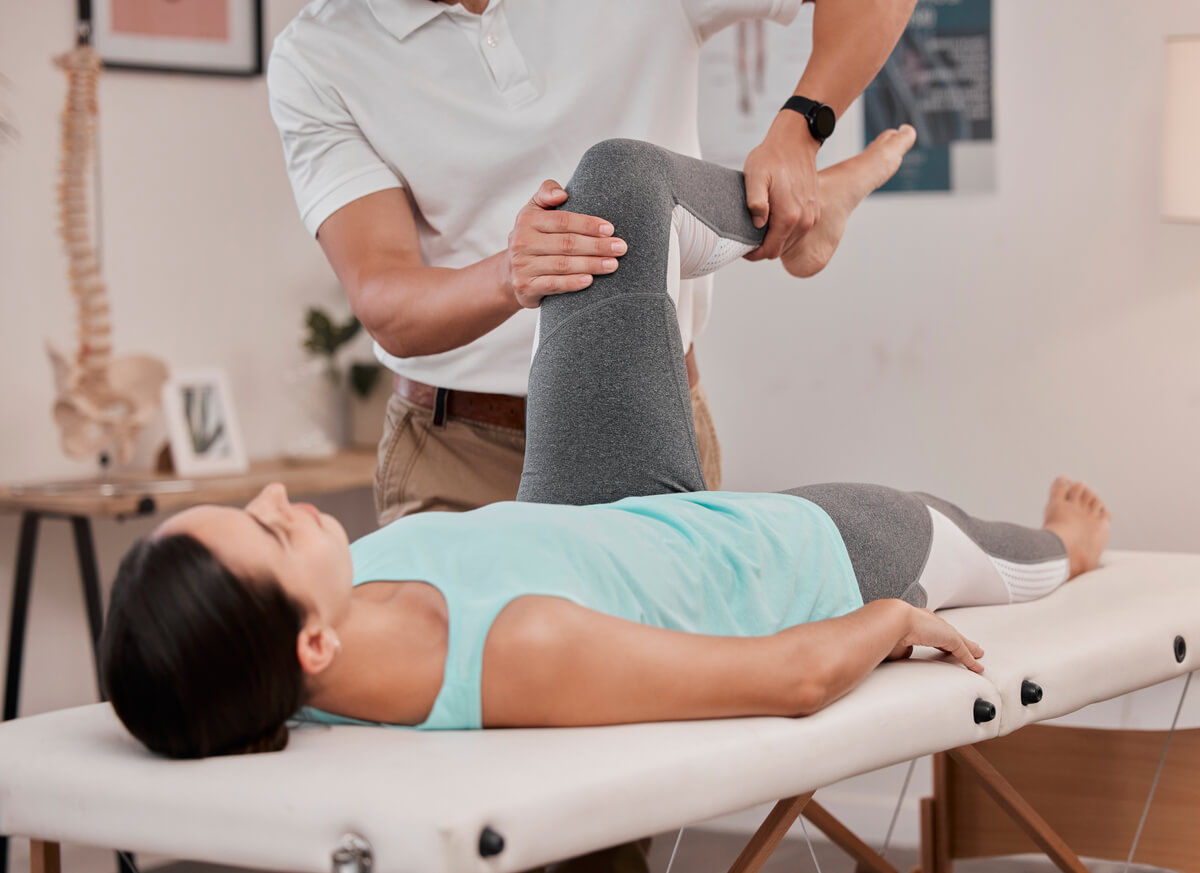
Physical Therapy: This may include joint mobilisations or massage techniques to reduce stiffness or address underlying musculoskeletal issues and patellar taping to help improve the alignment and tracking of the patella.
-
Ice and Anti-Inflammatory Medication: Apply ice to the knee for 15-20 minutes several times a day to reduce inflammation and pain, especially after activity. Over-the-counter pain relievers (e.g., ibuprofen) can help reduce pain and inflammation, though they should be used sparingly and for short periods.
-
Orthotics: Ensure that you are wearing shoes that provide proper arch support and cushioning, especially if you have flat feet or abnormal foot mechanics. Custom or over-the-counter insoles may help correct abnormal foot positioning, such as overpronation and improve overall knee alignment.
-
Braces or Knee Supports: Some individuals find relief from knee pain with the use of a patellar brace or sleeve that provides additional support to the knee and helps with patellar tracking.
- Corticosteroid Injections (rarely needed): If the pain is persistent and severe, and other treatments are not effective, a corticosteroid injection may be considered to reduce inflammation in the knee joint. However, this is usually a last resort.
-
Surgery (rarely needed): In very rare cases, if conservative treatments fail and symptoms are disabling, surgical options may be considered.
If you think you may have PFPS, contact the Centre on 01386 792126 to discuss your options and book an appointment.
Helping you live your healthiest and happiest life. Revival Health & Wellbeing Centre offers a variety of treatments, clinics, counselling and holistic therapies from our specialist team of practitioners.