When it comes to healing from injury, managing pain, or improving mobility, manual therapy is a cornerstone of modern physiotherapy. Whether you are recovering from a sports injury, dealing with chronic back pain, or looking to restore functional movement after surgery, manual therapy offers a hands-on, medication free approach to getting you back on track.
In this article, we will break down how manual therapy works, explore common techniques and explain the benefits you can expect from this highly effective treatment method.
What is Manual Therapy?
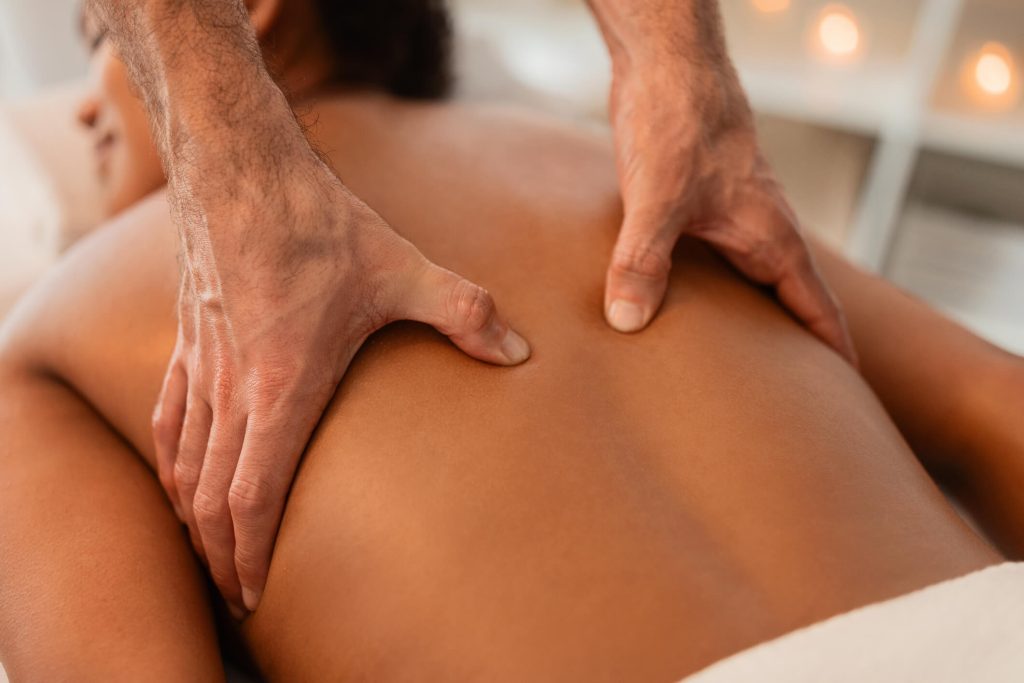
Manual therapy is a specialised form of physiotherapy where practitioners use their hands to assess, diagnose and treat musculoskeletal conditions. Unlike machine-based therapies or exercises, manual therapy is tactile and tailored—focused on improving mobility, reducing pain, and enhancing function through direct manipulation of muscles, joints and soft tissues.
How It Works
Manual therapy works by targeting the structures involved in movement—such as joints, muscles, fascia and connective tissue. Through specific techniques, a physiotherapist can:
- Improve joint mobility and alignment
- Release muscle tension and spasms
- Stimulate circulation and lymphatic flow
- Reduce pain signals through neuromuscular feedback
- Enhance range of motion and overall movement quality
Manual therapy often complements other physiotherapy interventions like exercise therapy, strengthening programmes and posture correction, making it a powerful part of a holistic treatment plan.
Common Manual Therapy Techniques
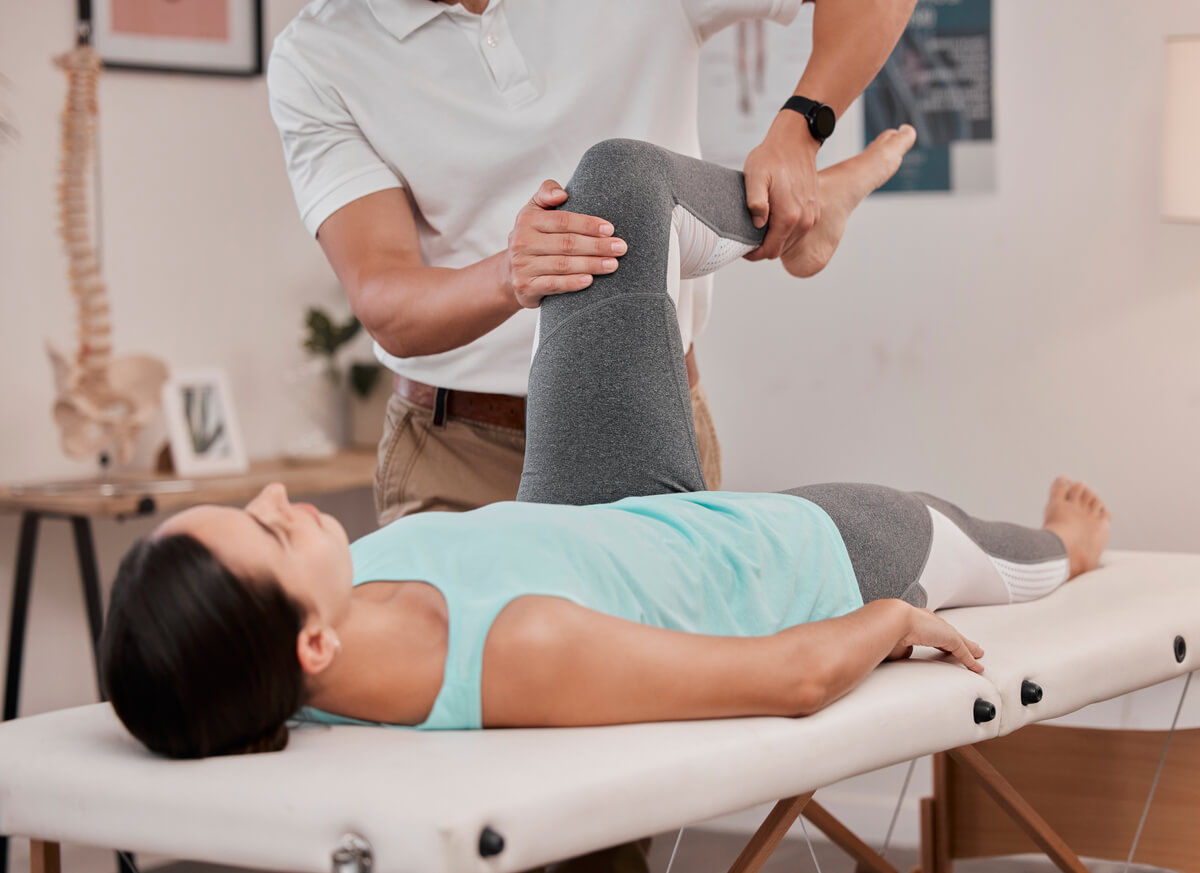
- Joint Mobilisation: Gentle, controlled movements are applied to stiff or misaligned joints to improve mobility and reduce pain. This is particularly effective for conditions such as frozen shoulder, osteoarthritis and post-injury stiffness.
- Soft Tissue Mobilisation: This involves the manipulation of muscles, tendons and fascia to break down scar tissue, reduce muscle tension and increase circulation. It is commonly used for muscle strains, myofascial pain and general stiffness.
- Trigger Point Therapy: Tight knots in the muscle tissue can cause referred pain and limited mobility. A physiotherapist applies targeted pressure to these points to release tension and restore normal function.
- Myofascial Release: This gentle, sustained pressure technique targets the fascia, the connective tissue that surrounds muscles. It helps to eliminate restrictions and promote pain-free movement.
- Manual Lymphatic Drainage: A light-touch technique used to encourage lymph flow and reduce swelling, particularly after surgery or injury.

Final Thoughts
Manual therapy offers a wide range of benefits that go beyond just relieving pain. From boosting your mobility and flexibility to improving posture and alignment, this hands-on approach can help you move better and feel stronger every day. Whether you are recovering from an injury or looking to enhance your physical performance, manual therapy supports faster healing and long-term wellness.
What makes manual therapy truly effective is its foundation in clinical evidence and expert practice. When carried out by a skilled physiotherapist, it does not just mask symptoms — it targets the root cause of your discomfort or movement issues. This comprehensive approach can dramatically improve your quality of life, helping you regain function and enjoy a more active, pain-free lifestyle.
Need Help?
Our experienced team at Revival Health and Wellbeing Centre are here to guide you through every step of your recovery. Contact us today to learn more or schedule your appointment, or alternatively book your appointment online for convenience!