With the arrival of Spring, many of us are eager to embrace outdoor activities such as hiking and cycling. Spending time outside in the sunshine can significantly boost both your physical and mental wellbeing.
To make the most of your outdoor adventures and prevent injuries, it is essential to warm up properly. An effective warm-up boosts blood circulation and reduces muscle stiffness. For both hiking and cycling, focus on dynamic stretches and movements that replicate the actions you will be performing.
Warming Up
Hiking Warm-Up
To warm up for hiking, start with leg swings by holding onto a stable surface. Gently swing your legs forward and backward, as well as side to side, to loosen up your hip joints. Follow this with lunges by stepping forward and lowering your body until both knees are bent at a 90-degree angle. As you lunge, twist your torso slightly to the side to engage your core and legs. Finish your warm-up with ankle circles by rotating your ankles in circular motions to improve flexibility and prevent injury.
Cycling Warm-Up
For cycling, start with leg extensions by sitting on the edge of a chair and extending one leg at a time, holding for a few seconds at the top to activate your quads. Move on to hip openers by standing with your feet wide apart, squatting down, and shifting your weight from side to side to improve hip mobility. Warm up your shoulders with arm circles, making both small and large circles to loosen the joints. Complete your warm-up with core exercises like planks, side planks, and Russian twists to build stability and strength.
Correcting Posture
Correct Alignment for Maximum Efficiency
Maintaining good posture is vital for preventing muscle strain and fatigue. Poor posture can lead to discomfort, back pain, and muscle imbalances that can slow you down.
Hiking Posture
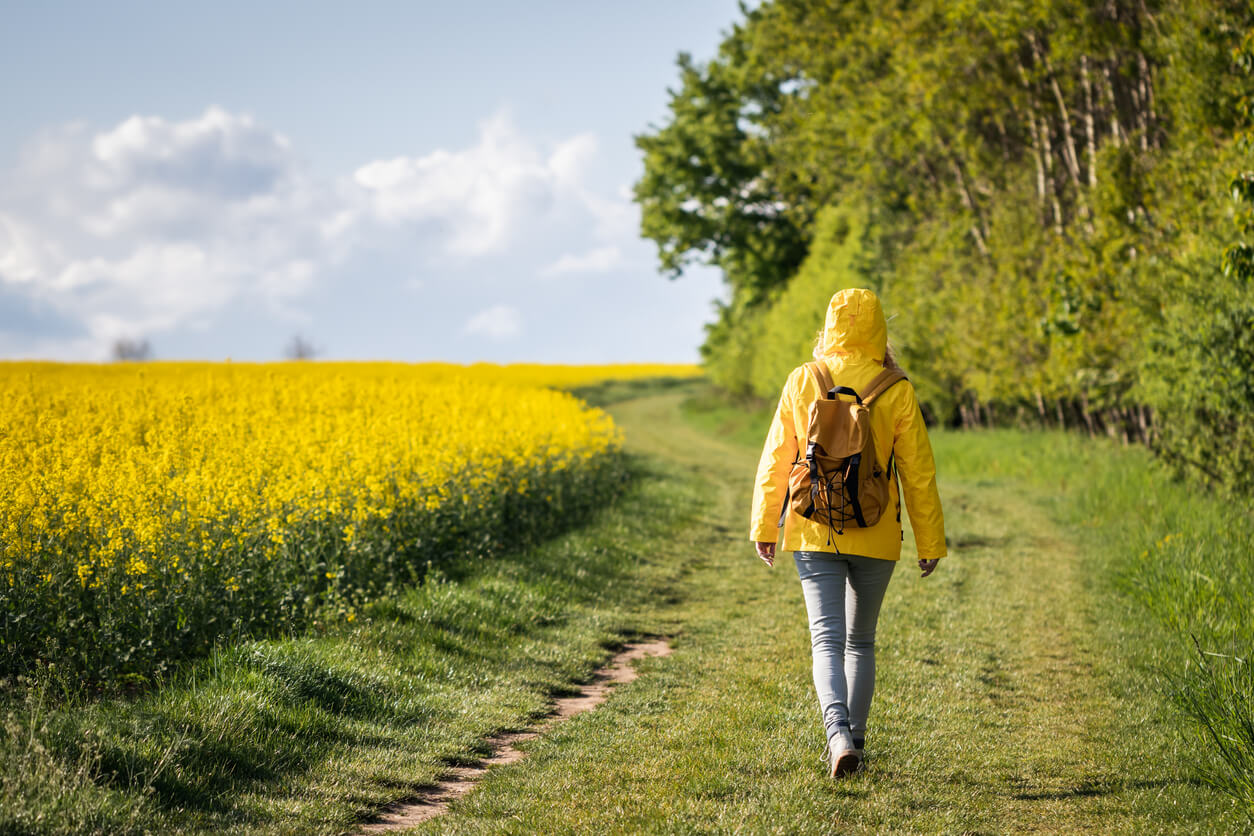
Keep your shoulders relaxed and maintain an upright posture without leaning too far forward or backward. When carrying a backpack, ensure it fits properly to prevent unnecessary stress on your shoulders and back.
Cycling Posture
Maintain relaxed shoulders and an upright posture without leaning too far forward or backward. Ensure your backpack fits properly to prevent unnecessary stress on your shoulders and back. Adjust your handlebars and seat to the correct height to avoid straining your back and knees. Keep your elbows slightly bent without locking your joints, and use a neutral spine position, avoiding excessive arching or slumping over the handlebars.
Recovery and Prevention
Maximise Rest for Optimal Performance
After your hike or ride, take time to recover. This is just as important as the workout itself. Physiotherapy techniques can be used to speed up recovery.
- Foam Rolling to use on your quads, calves and hamstrings to release muscle tightness and improve blood circulation.
- Light walking, cycling, or swimming can help reduce muscle soreness and stiffness.
- Stretching to increase flexibility and reduce tension.
Listen to Your Body
No matter how prepared you are, injuries can still occur. Pay attention to warning signs like persistent pain, swelling, or stiffness, and do not push through them. If you do experience an injury, seek out treatment early to avoid long-term damage. A Physiotherapist can help you with:
- Postural Assessments to ensure you are moving efficiently.
- Biomechanical Analysis to identify any issues with your gait, cycling posture, or technique.
- Personalised Rehabilitation Exercises to aid recovery and prevent recurrence.
- Sports Massage to maintain muscle elasticity and joint flexibility.

Final Thoughts
The great outdoors offers plenty of opportunities for adventure, and with proper care, you can enjoy hiking and cycling to their fullest. Whether you are tackling steep mountain trails or riding along scenic roads, keeping your body strong, flexible, and well-prepared will ensure you stay injury-free and energised for every adventure.
Happy adventuring!