In the world of natural remedies, turmeric stands out as a golden gem. Known for its vibrant colour and earthy flavour, turmeric has been a staple in traditional medicine and culinary practices for centuries. Beyond its role in spicing up dishes, turmeric has garnered attention for its remarkable health benefits, particularly in aiding recovery. Whether you’re healing from an injury, recovering from a workout, or managing chronic inflammation, turmeric can serve as a crucial support.
What Makes Turmeric Special?
The active ingredient in turmeric, “curcumin”, is the powerhouse behind its healing properties. Curcumin is a polyphenol with potent anti-inflammatory, antioxidant, and antimicrobial properties. However, it’s worth noting that curcumin makes up only about 3% of turmeric by weight. To maximize its benefits, turmeric is often combined with black pepper, which contains piperine, a compound that enhances curcumin absorption by up to 2,000%.

How Turmeric Supports Recovery
Anti-Inflammatory Effects
Inflammation is the body’s innate reaction to injury and stress; however, when it becomes chronic, it can hinder healing and lead to issues such as arthritis and heart disease. Turmeric is known for its anti-inflammatory properties, which can help minimise swelling and pain. Athletes frequently turn to turmeric to ease delayed onset muscle soreness (DOMS) and accelerate recovery post-exercise.
Enhanced Muscle Recovery
For fitness enthusiasts, turmeric can be a game-changer. Studies suggest that curcumin supplementation reduces markers of muscle damage, such as creatine kinase, following intense exercise. By minimising oxidative stress and inflammation, turmeric supports faster muscle repair, allowing you to bounce back quicker after intense training sessions.
Pain Relief
Turmeric’s natural pain-relieving properties make it a popular alternative to over-the-counter painkillers. Turmeric can provide relief without the side effects associated with synthetic medications.
Boosting Immunity
Recovery isn’t just about healing an injury or soothing sore muscles; it’s also about strengthening the body to prevent further setbacks. Turmeric’s antioxidant properties neutralise free radicals, which can damage cells and weaken the immune system. This protective effect is crucial for overall resilience and long-term health.
Improved Joint Health
For those recovering from joint injuries or managing chronic joint conditions such as osteoarthritis or fibromyalgia, curcumin supplements can be as effective as some anti-inflammatory drugs in reducing joint pain and stiffness.
How to Incorporate Turmeric into Your Recovery Routine
Golden Milk
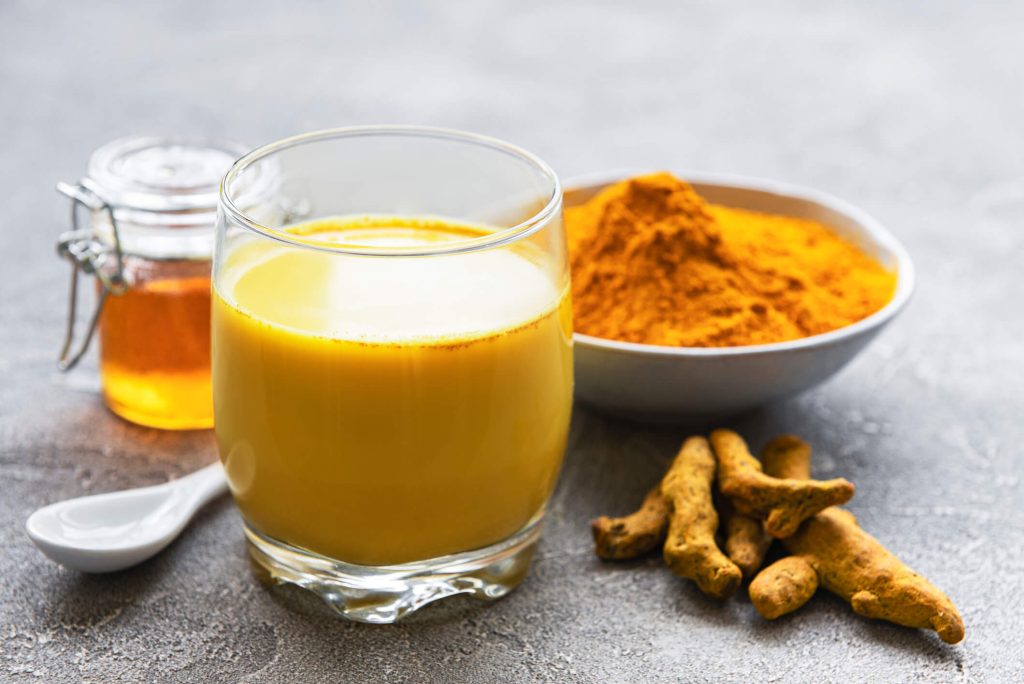
A warm cup of golden milk—a blend of turmeric, milk (or a plant-based alternative), black pepper, and a touch of honey—can be a comforting way to promote recovery. It’s especially soothing before bedtime.
Smoothies
Add a teaspoon of turmeric powder to your post-workout smoothie. Combine it with fruits, greens, and a pinch of black pepper for a nutritious recovery drink.
Supplements
Curcumin supplements are a convenient way to ensure you’re getting an effective dose. Look for products that include piperine or are labelled as bioavailable to enhance absorption.
Cooking
Incorporate turmeric into your meals, from curries to soups and roasted vegetables.
Topical Application
For localised pain or swelling, turmeric can be mixed with water or oil to create a paste and applied directly to the affected area. This traditional remedy is still widely used for minor wounds and injuries.
Precautions
Although turmeric is generally safe, excessive consumption or supplementation may lead to side effects such as stomach upset or interference with blood-thinning medications. Always consult a healthcare professional before starting any new supplement, especially if you’re pregnant, breastfeeding, or managing a medical condition.
Blog written by Noah Wilborn – MSK Physiotherapist.